Why Heat Treatment Is the Ultimate Solution for Bed Bugs: Importance and Advantages
Bed bugs have emerged as a widespread concern in countless residences, leading to substantial unease and stress. Conventional pest control approaches frequently prove inadequate, allowing hardy populations to survive. Heat-based treatment provides a powerful option, effectively targeting all life stages of bed bugs in a single session. This method not only eliminates pests but also addresses health and environmental concerns. Examining the details of thermal treatment demonstrates why it excels among pest management solutions. What makes it so effective?
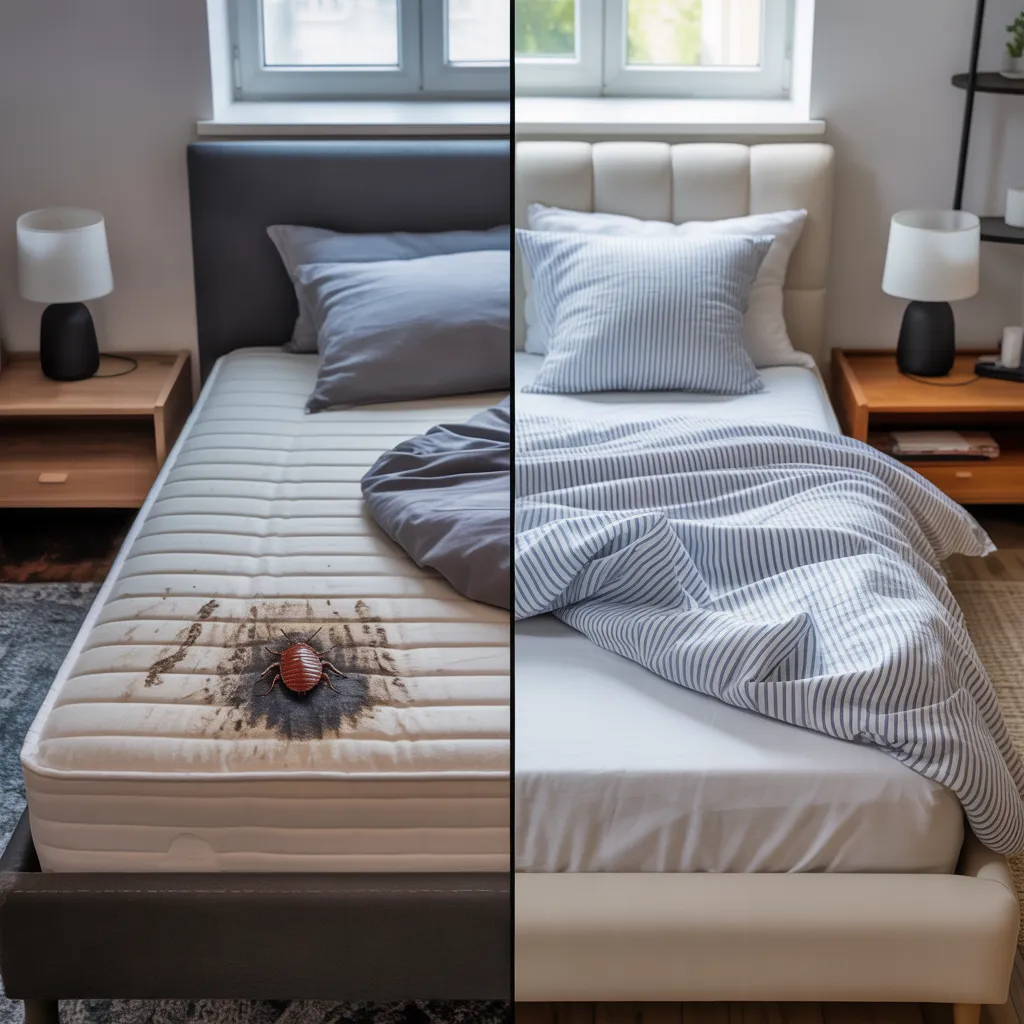
The Persistent Problem of Bed Bugs
Although bed bugs were once nearly eradicated, they have undergone a remarkable revival in recent years, turning into an ongoing challenge for many households and businesses. These tiny, reddish-brown insects are notorious for their ability to breed fast and adjust to a wide range of conditions. Their revival is mainly due to growing international travel, allowing them to hitch rides on luggage and clothing.
When they take hold in a location, bed bugs are hard to get rid of, frequently necessitating expert assistance. As nocturnal parasites, they subsist on human blood, leading to discomfort and anxiety for those affected. The presence of bed bugs can also tarnish a business's reputation, particularly in the hospitality industry, where guest experience is paramount. Even though bed bugs are small, the effects of an infestation can be far-reaching, leading to financial loss and emotional distress, underscoring the urgent need for effective treatment solutions.
How Does Heat Treatment Get Rid of Bed Bugs?
Heat treatment efficiently destroys bed bugs by subjecting them to high temperatures that they cannot withstand. Usually, temperatures of 120°F to 140°F are applied to achieve thorough extermination. As bed bugs encounter these high temperature conditions, their physiological systems are impaired, causing dehydration and ultimately proving fatal.
Heat permeates multiple surfaces, including mattresses, furniture, and carpets, ensuring that even hidden bed bugs and their eggs are targeted. This technique is highly efficient because it addresses all life stages of bed bugs, from larvae to mature adults.
Unlike chemical pest control methods, which can leave residues behind and require multiple applications, heat treatment provides a more direct solution. Furthermore, it removes the necessity of using harmful chemicals, making it a safer option for residential properties and surrounding environments, especially those with young children or animals. Overall, heat treatment emerges as an effective and thorough strategy to bed bug eradication.
Essential Benefits of Heat Treatment for Eliminating Bed Bugs
Eliminating bed bugs with heat treatment presents several benefits that distinguish it from traditional pest control methods. One major benefit is its reliability; heat treatment can kill every life stage of bed bugs, including eggs, in a single comprehensive session. Unlike chemical treatments, which can necessitate multiple rounds and can result in resistant infestations, heat treatment delivers dependable results.
In addition, the treatment is efficient, often requiring only a short time to complete the treatment, allowing occupants to re-enter their premises quickly.
Heat treatment is likewise non-invasive, as it eliminates the need for chemical residues, making it ideal for sensitive environments such as homes with children or pets. Moreover, it decreases the chance of reinfestation, as complete heating can reach into furniture and walls, addressing concealed bugs. In summary, these advantages make heat treatment an excellent choice for effective bed bug elimination.
Green Benefits of Heat Treatment
Heat-based treatment for bed bugs presents an alternative free of chemicals compared to standard pest management methods. This method not only successfully eradicates infestations but also significantly decreases hazardous waste linked to chemical-based treatments. Therefore, it offers a more eco-conscious solution for managing pest issues.
Chemical-Free Pest Control
An increasing number of homeowners are looking for effective pest control solutions that focus on environmental responsibility. Heat treatment stands out as a non-toxic solution that successfully eliminates bed bugs without the use of harmful pesticides. This method utilizes high temperatures to permeate furniture, carpets, and walls, ensuring thorough pest elimination. By opting for heat treatment, homeowners can shield their households and pets from the possible health hazards associated with chemical residues. Moreover, this sustainable solution reduces the environmental impact often linked to traditional helpful tips pest control methods. With heightened attention to sustainability, heat treatment presents a practical choice for those committed to sustaining a safe and comfortable household while successfully controlling pest infestations.
Reduces Toxic Waste
Opting for heat treatment for bed bug extermination considerably reduces toxic waste produced by traditional pest control approaches. Unlike chemical sprays and pesticides, which often deposit harmful residues, heat treatment employs high temperatures to efficiently eliminate bed bugs and their eggs without adding hazardous materials into the environment. This method not only minimizes the risk of chemical exposure to humans and pets but also supports a healthier ecosystem. As heat penetrates furniture and walls, it provides thorough pest eradication without the need for extra toxic substances. Therefore, implementing heat treatment supports eco-friendly practices, advancing sustainability while safeguarding public health. By choosing this approach, individuals can effectively contribute to reducing their environmental burden while effectively addressing bed bug issues.
What Should You Anticipate During Heat Treatment?
During bed bug heat treatment, adequate preparation is crucial to secure safety and effectiveness. Homeowners will need to adhere to detailed guidelines prior to the start of treatment, as well as engage in a follow-up after treatment to monitor results. Understanding these steps can enhance the overall experience and effectiveness of the bed bug treatment.
Getting Ready Before Treatment
Before undergoing heat treatment for bed bugs, homeowners should be well-prepared to guarantee the process is successful. This readiness requires taking all objects out of the treatment area, such as electronics, clothing, and toys, to avoid harm caused by high temperatures. It is also important to clear clutter, as this enables enhanced air circulation and ensures that heat reaches all concealed areas effectively. Homeowners should vacuum thoroughly to eliminate any visible pests and their eggs, securing the vacuum bag tightly after completing the task. Additionally, pets should be moved to a safe location temporarily to protect their well-being. Finally, it is essential to share any specific issues or zones of infestation with the heat treatment experts, providing a precise and thorough strategy to eradicating the bed bug infestation.
After-Treatment Follow-Up
Following careful preparation, homeowners can anticipate a detailed process during the bed bug heat treatment. The treatment usually spans several hours, during which specialized equipment raises the temperature in affected spaces to a temperature that eliminates the pests. Technicians carefully observe the environment to guarantee even heat distribution, targeting all potential hiding spots. Following treatment, it is essential for homeowners to refrain from bringing items back until the treated space has returned to a normal temperature. A post-treatment inspection may be organized to validate the eradication of bed bugs. Homeowners should continue to be watchful for any evidence of a comeback and can consult professionals for supplementary treatments if required. This preventive method enhances the long-term effectiveness of the heat treatment.
Getting Your Home Ready for Heat Treatment
Planning for heat treatment is vital to optimize its efficiency against bed bugs. Property owners should begin by decluttering rooms, clearing items off floors, and ensuring that areas are available to the professionals. It is recommended to clean and dry bedding, curtains, and clothing on high heat to destroy any concealed bugs or eggs. Household furniture should be repositioned away from walls, and power outlets should be cleared to facilitate ideal heat circulation.
Additionally, pets need to be moved for their well-being, and plants might require relocation or covering. Residents ought to also clear out any items that may spoil from the space to prevent spoilage. It is critical to alert the professional heat treatment team about any notable concerns, such as earlier infestations or items requiring special care. Adhering to these preparation steps not only guarantees a thorough treatment process but also increases the chances of full bed bug elimination.
Commonly Asked Questions
How Long Does Heat Treatment Typically Take to Complete?
Bed bug heat treatment typically takes between six to eight hours to be completed. The time required may differ according to the infestation's severity and the treated area's size, guaranteeing the optimal temperature is achieved throughout all affected spots.
Is Heat Treatment Safe for Pets and Children?
Heat treatment is generally safe for children and pets when conducted properly. Experts ensure that the environment is monitored, reducing potential hazards. However, it is wise to keep pets and children away during the heat treatment procedure for additional peace of mind.
Can Heat Treatment Damage My Furniture or Belongings?
Thermal treatment usually does not harm belongings or furniture if properly monitored. Nevertheless, vulnerable items including electronics or certain fabrics might be susceptible to damage. It is recommended to speak with professionals for precautions tailored to specific situations.
Will Heat Treatment Help Avoid Future Bed Bug Infestations?
Heat treatment successfully eradicates current bed bug infestations yet it cannot guarantee the prevention of new infestations. Continuous monitoring and proactive measures, including routine inspections and upkeeping cleanliness, are necessary for effective long-term bed bug prevention.
How Much Should You Expect to Pay for Heat Treatment?
Bed bug heat treatment typically costs anywhere from $1,000 up to $2,500, depending on the infestation's severity and property size. Factors such as location and service provider may also influence the overall pricing.